TL;DR
Developmental Language Disorder (DLD), is a disorder that makes it difficult for a person to understand and use language. Symptoms include trouble following instructions and a limited vocabulary. Primary treatment is speech pathology, supplemented by school-based support, and interactive exercises like Fast ForWord & Cogmed.
Developmental Language Disorder is common – affecting 1 in 14 people.
A classroom of 30 could have two students with DLD. What is Developmental Language Disorder and what treatments are available?
What is Developmental Language Disorder?
Developmental Language Disorder (DLD), which used to be called Specific Language Impairment, is a communication disorder that makes it difficult for a person to understand and use language. Here are some key points about it:
- It’s a neurodevelopmental disorder. This means it’s caused by differences in how the brain develops It’s not a sign of lack of intelligence, hearing problems, or other conditions like autism.
- It affects all aspects of language. A person with DLD can struggle with both receptive language (understanding what others say) and expressive language (expressing their thoughts in words).
- It’s a lifelong condition. While the symptoms change as a person gets older, the effects of DLD continue into adulthood.
- It’s more common than you might think. It’s estimated to affect around one or two children in every average classroom. It’s actually more common than hearing impairment!
- It’s often a “hidden” disability. The difficulties associated with DLD can sometimes be mistaken for behavioural issues, shyness, or a lack of attention. Since there’s no outward physical indictor of DLD, it’s invisible.
- The diagnosis is given by a speech pathologist. A DLD diagnosis is given when child’s language difficulties are significant and not explained by another condition. For no obvious reason (such as intellectual difficulty or hearing impairment) they can’t acquire their own language.

Developmental Language Disorder symptoms
Developmental Language Disorder (DLD) can affect children in different ways, but the symptoms generally relate to either understanding language or expressing themselves. Students and people with DLD might appear to not be paying attention or even seem uncooperative. In reality, they are working hard to just process basic information.
Here are some common symptoms:
Difficulty understanding language
- Struggling to follow instructions, especially multi-step ones.
- Finding it hard to understand questions.
- Trouble grasping the meaning of new words.
- Appearing to not be listening or paying attention.
- Trouble focusing on what someone is saying, especially if there is background noise.
- Finds it hard to follow group conversations.
- In conversations or class discussions, rarely asks questions or makes a comment.
Difficulty with expressive language
- Struggling to find the right words to use, or using vague words like thing or stuff.
- Having a small vocabulary.
- Using simple or short sentences, or leaving words out.
- Making frequent grammatical errors.
- Having trouble telling a story or organising their ideas clearly.
- Being late to begin talking.
These difficulties can sometimes be mistaken for other issues, like behaviour problems or a lack of attention. Imagine how frustrating it is, particularly for a child, to not be able to communicate well. It’s no wonder some will act out or become withdrawn and avoid social situations.

Developmental Language Disorder treatment options
Speech Pathologists are key in helping treat DLD. However, other treatment options can supplement the treatment administered by Speech Pathologists.
Here are the common treatment options:
- Speech Pathology: This is the primary and most important treatment. A speech pathologist will create a personalised plan to help with:
- Language comprehension: Helping the child better understand instructions and conversations.
- Expressive language: Improving vocabulary, grammar, and sentence structure.
- Social communication: Working on how to use language in social situations and conversations.
- Parent and Carer Involvement: Speechies usually often provide strategies for parents and carers to use at home to reinforce skills learned in therapy – sometimes called a ‘Home Program’.
- School-Based Support: Children with DLD often receive support in school through programs like Individualised Education Plans (IEPs), which can include in-school therapy and one-on-one assistance.
- Literacy Intervention: Because DLD can often affect reading and writing, therapy may also focus on improving literacy skills.
- Technology-Assisted Learning: Some programs, like the neuroscience-backed programs Fast ForWord and Cogmed, use interactive online exercises to help train the brain’s foundational skills for language. This can be very effective to strengthen skills being taught by the speech pathologist.
- Group Therapy: For older children and teenagers, group programs can be helpful for developing social communication skills and building confidence.
- Support for Other Challenges: DLD is often linked with other conditions like anxiety or ADHD, so addressing these issues with a psychologist or other health professional can also be part of a comprehensive treatment plan.

Developmental Language Disorder NDIS options
Applying for National Disability Insurance Scheme (NDIS) support for Developmental Language Disorder (DLD) can be a bit of a tricky process. While DLD is a lifelong condition, it’s not on the NDIS’s list of conditions that are automatically considered to always result in a permanent impairment. This means you need to provide clear and detailed evidence to support your application.
Sonic Learning’s Developmental Language Disorder treatment
Sonic Learning offers online programs that are based on neuroscience and are designed to help with Developmental Language Disorder (DLD).
Here’s a breakdown of how their approach aims to help:
- Targeting Foundational Skills: Sonic Learning’s programs, such as Fast ForWord, focus on strengthening the core cognitive skills that are essential for language development. These include things like auditory processing, working memory, attention, and sequencing. Many with DLD feel their brain works at a different pace to others – Fast ForWord and Cogmed train the cognitive skills they need to keep up.
- Improving Language Skills: Fast ForWord improves both receptive and expressive language. The interactive exercises work on skills like understanding instructions, building vocabulary, improving sentence structure, and oral expression.
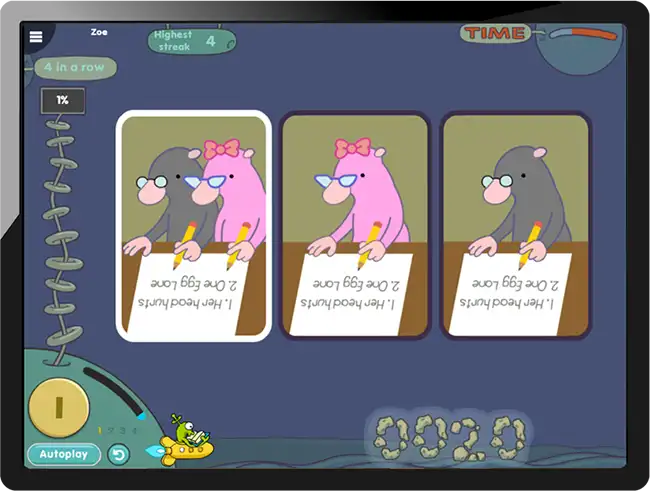

- Online and Intensive: The programs are delivered online, which means they can work around you or your child’s schedule. They are designed to be intensive, with daily practice to help “rewire the brain” and create lasting improvements.
- Evidence-Based: Fast ForWord and Cogmed are backed by research and were created by scientists. They highlight that they use proven neuroscience programs like Fast ForWord and Cogmed.
- Professional Support: They also provide support from a team of health professionals who can provide regular support consultations to keep participants motivated and on track.
Sonic Learning’s approach is about getting to the root of the problem by training the brain to be more efficient at the skills needed for language, rather than just “band-aiding” the symptoms.
Get in contact with Sonic Learning
We’re a small group of Australian health and education professionals working to bring you the very best research-backed programs the help with DLD. Reach out to us to book a free phone consultation to discuss how our programs can help.

Take our 5-minute online screening assessment
Not sure what learning issues you have? Identify learning strengths and weaknesses.

Learn about the Fast ForWord online program

Book a free phone consult
This free telephone consultation can help to answer any questions you have about our services. At Sonic Learning we are all experienced teachers and health professionals so parents tend to find it very beneficial to be able to discuss their concerns and receive guidance from our team.